Lemon Charm: A Playful Retro Font for Modern Projects
Understanding the Visual Personality of Lemon Charm
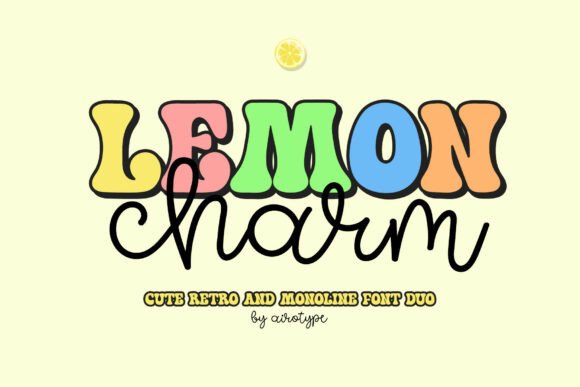
When you first encounter Lemon Charm, it’s like finding a perfectly ripe lemon at a farmers market – it feels fresh, inviting, and immediately lifts your mood. This isn't just another typeface; it's a carefully crafted font duo that brings together two distinct yet complementary styles. The primary component is a playful retro font with rounded edges and a nostalgic mid-century vibe. It carries the warmth of vintage signage without feeling dated or stuffy. The secondary element is a bouncy handwritten script font that adds movement and organic charm, as if written by a friend with excellent penmanship and a joyful spirit.
What makes Lemon Charm particularly appealing is its duality. The retro display font provides structure and readability, making it ideal for headlines and product names. Meanwhile, the handwritten script introduces personality and emotion, perfect for accents, quotes, and personal touches. Together, they create a cohesive visual language that feels both festive and modern. The characters have a slightly uneven baseline that mimics natural handwriting, giving digital designs an authentic, human touch. This combination allows designers to create projects that feel approachable yet polished, playful yet professional.
Where Lemon Charm Truly Shines in Creative Projects
The real-world applications for a creative font like Lemon Charm are surprisingly diverse. As a designer who has worked with numerous clients, I've found that this type of premium font excels in projects where personality and approachability are key. For logo design, particularly for small businesses, bakeries, children's brands, or lifestyle products, Lemon Charm provides instant character. The retro font portion ensures legibility at various sizes, while the script adds a handcrafted quality that suggests care and attention to detail.
Consider these practical applications where Lemon Charm's personality truly shines:
- T-shirt and apparel design: The bouncy script works beautifully for phrases and slogans, while the retro font handles brand names with clarity.
- Birthday and event materials: Invitations, thank-you cards, and party decorations benefit from its festive, celebratory tone.
- Packaging and product labels: For artisan goods, gourmet foods, or cosmetics, it communicates authenticity and charm without appearing cheap.
- Digital content creation: Social media graphics, blog headers, and YouTube thumbnails gain personality and stand out in crowded feeds.
- Crafting and physical products: Stickers, keychains, tumblers, and sublimation projects benefit from its clear legibility and visual appeal at various scales.
What I appreciate as a brand strategist is how Lemon Charm can influence brand perception. A children's educational app using this font immediately feels friendly and engaging. A local coffee shop using it for menu boards appears welcoming and community-oriented. The font doesn't just display text; it communicates an emotion and sets expectations for the customer experience. This is particularly valuable for businesses that want to appear approachable rather than corporate, creative rather than rigid.
Practical Considerations for Using Lemon Charm Effectively
Choosing any display font requires thoughtful evaluation, and Lemon Charm is no exception. First, always consider your project's context and audience. While this handwritten font works beautifully for many applications, it may not suit legal documents or highly technical manuals. The retro script has moderate readability at smaller sizes, so for body text, consider pairing it with a clean sans serif font or simple serif font. I typically recommend testing font pairings before committing – try Lemon Charm's script with a geometric sans serif for modern contrast, or with a classic serif for balanced elegance.
When evaluating project fit, ask yourself: Does my project benefit from personality and warmth? Am I targeting an audience that appreciates creativity and approachability? Will the text need to be readable from a distance or at small sizes? For editorial design, the script portion works well for pull quotes or section headers, while the retro font suits chapter titles. In web design, consider using Lemon Charm for hero sections or call-to-action buttons where impact matters, but ensure body text remains highly legible.
From a technical standpoint, review what's included with your commercial font purchase. Quality design assets like Lemon Charm often include multiple weights, stylistic alternates, and extended character sets for international languages. Check the licensing terms carefully – most premium fonts allow commercial use, but some have restrictions on merchandise or specific applications. As someone who has navigated font licensing for client projects, I always recommend keeping documentation organized and understanding the difference between desktop, web, and app licenses.
Finally, consider how Lemon Charm contributes to visual hierarchy and brand consistency. The font duo provides built-in hierarchy – use the retro font for primary information and the script for secondary elements. This creates natural visual flow without requiring complex design skills. For brand identity systems, establish clear guidelines about when to use each component to maintain consistency across touchpoints. The font's distinctive character can enhance audience engagement when used appropriately, making materials more memorable and shareable. Remember that the most effective typography supports your message rather than distracts from it. Lemon Charm, when used thoughtfully, becomes a valuable tool in your creative arsenal for projects that need to connect with people on a human level.